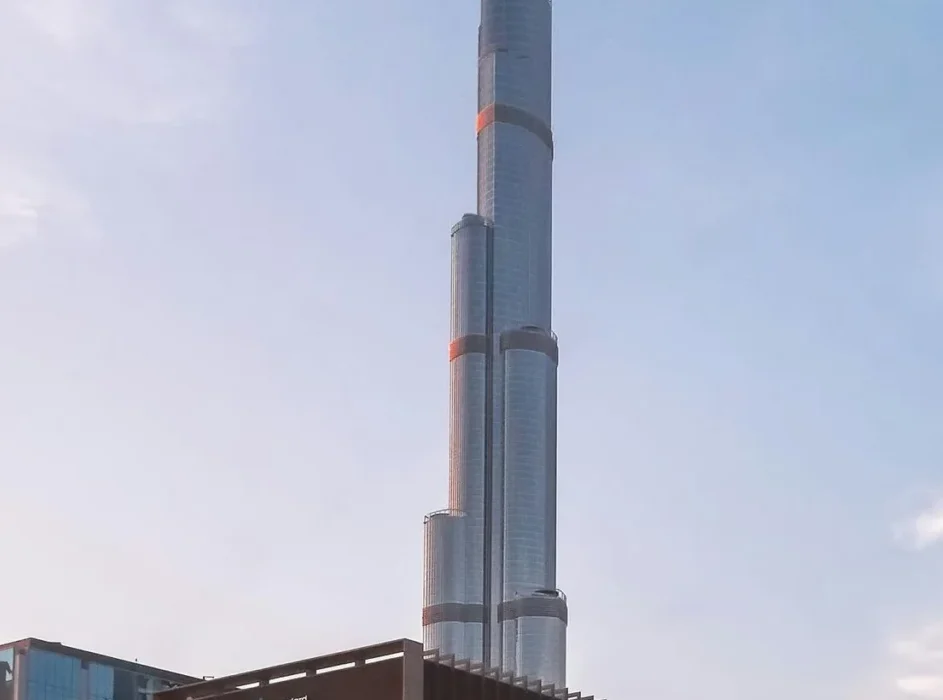
In the past few years, Dubai’s ultra-luxury real estate market has been on an unprecedented upswing – a true boom that has captured global attention. Record-breaking mansion sales, sold-out launches of super-prime apartments, and a surge of international high-net-worth buyers have all defined this trend. In 2024, Dubai sold 435 homes priced above $10 million, totaling about $7 billion in sales – surpassing even New York and Hong Kong in ultra-prime transactions
christiesrealestatedubai.com
. This is a remarkable feat that cements Dubai’s place among the world’s elite property hubs. So, what’s driving this explosion in demand for ultra-luxury properties? Let’s explore the key factors, from the profiles of the buyers snapping up these residences to the types of properties in vogue, and how developers like Emaar and Sobha are catering to this boom.
An Influx of Global Wealth
One cannot discuss Dubai’s luxury boom without acknowledging the wave of global wealthy individuals choosing the Emirate as their new home or investment haven. Dubai has become a magnet for high-net-worth individuals (HNWIs) in recent years, thanks to its reputation for safety, economic opportunity, and lifestyle appeal. In fact, the UAE topped the world in 2024 by attracting approximately 6,700 millionaire migrants, many of whom settled in Dubai
christiesrealestatedubai.com
. This influx of affluent buyers is a primary fuel for the ultra-luxury market. Wealthy investors from India, the U.K., China, Russia, and of course local UAE elites have been among the top purchasers of Dubai’s luxury homes
christiesrealestatedubai.com
. They are drawn by Dubai’s pro-business environment, tax advantages (no personal income tax), and the success story of how the city handled challenges like the pandemic – emerging as a safe haven for capital and people alike. Geopolitical factors have also played a role. With economic uncertainties and higher taxes in some Western countries, and instability in parts of the world, Dubai’s stability looks especially attractive. We’ve seen everything from hedge fund managers relocating from Europe to crypto millionaires choosing Dubai as their base – all contributing to new demand for high-end real estate. This international buying spree has pushed ultra-luxury property prices to new heights. Not long ago, a $10 million home sale in Dubai was news; now such deals are almost routine, and developers are confidently launching projects with $20 million+ price tags per unit, knowing there’s a market to absorb them.
Lifestyle and “Safe Haven” Appeal
Beyond pure investment, the lifestyle Dubai offers to the ultra-rich is a major driver. Dubai has positioned itself as a city where the world’s wealthy can enjoy an unparalleled quality of life. Consider the ingredients: year-round sunshine, top-notch security, ultra-modern infrastructure, and endless entertainment and luxury amenities. For a millionaire (or billionaire) deciding where to purchase a second (or third) home, these factors are a big part of the equation. In Dubai, you can own a palace-like villa on a private beach, dock your yacht at your doorstep, and be a short drive from fine dining, world-class shopping, and business centers. The convenience and luxury here are hard to match. During the global pandemic, Dubai’s approach to remaining relatively open (with sensible precautions) made it a refuge for the well-to-do who wanted an escape from lockdowns elsewhere. Many visited on “workcations” and ended up buying property. The phrase “Dubai is the new Monaco” has been tossed around, and indeed the city’s ultra-luxury property boom is reminiscent of other global havens in their prime – but on a larger scale given Dubai’s size and growth. The difference is Dubai still appears to offer value comparatively; for instance, a beachfront mansion in Dubai might still cost a fraction of a similar trophy home in London or Hong Kong, which entices value-conscious wealthy buyers who feel they’re getting more for their money here. Another driving factor is the Gold Visa program and investor-friendly policies. The government has rolled out 10-year residency visas for property investors above certain thresholds, and even longer-term “Golden Visas” for those making significant investments. This gives confidence to foreign buyers that they can treat Dubai as a long-term base for themselves and their families. Knowing you can easily live in Dubai if you own a property removes a barrier that might exist in other markets.
Who’s Buying: The New Elite of Dubai
The ultra-luxury boom has a diverse cast of buyers:
Ultra-High-Net-Worth Individuals (UHNWIs): These include billionaires and centi-millionaires from around the globe. Some are relocating entire families and businesses to Dubai, not just buying holiday homes. For example, numerous wealthy entrepreneurs from India have made Dubai their primary home, citing safety and global connectivity. Russian businessmen, seeking stability amidst geopolitical issues, have heavily invested in Dubai’s high-end sector in the past two years. European millionaires (from the UK, France, Germany, etc.) have also increased, attracted by Dubai’s sun and zero-tax regime.
Regional Elite: Wealthy buyers from the Gulf and wider Middle East (think Saudis, Qataris, Nigerians, Egyptians) have long favored Dubai as a playground. With new wealth being created in emerging markets, Dubai is often the first choice for a lavish foreign property due to cultural and geographic proximity. It’s not uncommon for a high-net-worth family from a nearby country to maintain a second home in Dubai for convenience and prestige.
Institutional and Corporate Investors: While most ultra-luxury purchases are personal, even family offices and investment firms have started looking at ultra-prime Dubai real estate as an asset class. Some see it as a store of value – akin to art or gold – especially with the way the city is climbing the ranks globally. There have been instances of funds buying entire floors in upscale towers to rent out or hold for appreciation.
Celebrities and Public Figures: Dubai has always attracted celebrities (from movie stars to sports icons) and that trend is amplifying. Many have purchased signature properties – penthouses in the Burj Khalifa or mansions on the Palm – which in turn fuels buzz and further interest from their peers and fans.
What unites these buyers is the desire for the best of the best – and in Dubai that means either something extremely exclusive (like a one-of-a-kind villa) or part of a prestigious new development that offers unparalleled services.
Trending Properties: From Penthouses to Branded Mansions
So, what kinds of properties are these buyers scooping up? The ultra-luxury segment spans:
Waterfront Mega-Mansions: The pinnacle is perhaps a bespoke villa on The Palm Jumeirah or the new Dubai Islands (formerly Deira Islands), or in gated enclaves like Emirates Hills. These mansions often have 8+ bedrooms, huge plots, and features like private pools, home cinemas, and even personal spas. We’ve seen record sales in this category – e.g., a custom Palm Jumeirah mansion sold for around AED 280 million (US$76 million)
mansionglobal.com
, setting new price benchmarks. Developers have noticed the appetite: they are creating communities like Lanai Islands at Tilal Al Ghaf (ultra-large villas around a lagoon) to cater to those who want a palatial home in a resort setting.
Sky-High Penthouses: In the heart of the city, ultra-rich buyers are chasing the sky. Penthouses in Downtown Dubai, especially around the Burj Khalifa district, and in Dubai Marina or Business Bay, have been selling at astounding prices. For example, the top penthouse at the new Atlantis The Royal Residences on Palm Jumeirah made headlines for its price and opulence. These properties offer 360-degree city or sea views, expansive layouts (some are 10,000+ sq ft on a single floor), and exclusive amenities – think private elevators, rooftop gardens, infinity pools overlooking the skyline. They attract buyers who want a trophy asset and perhaps a more “lock and leave” lifestyle than a standalone villa.
Branded Residences: A big trend driving the boom is the rise of branded luxury residences. Dubai has embraced partnerships with high-end brands – from fashion houses like Bvlgari (which has a branded island of mansions and a hotel) to supercar makers like Bugatti (planning branded residences), and hospitality brands like Four Seasons, Ritz-Carlton, Dorchester Collection, and others. These branded projects offer the cachet of a famous name and often hotel-like services. They’ve been selling out quickly. In fact, branded residences have been a major growth segment, with transaction volumes in this category rising 44% year-on-year in early 2024
christiesrealestatedubai.com
. Buyers love the idea of getting a unique product with perceived higher quality and concierge services – it’s luxury and convenience bundled together.
Ultra-Luxury Apartments in Niche Locations: Apart from penthouses, even “regular” apartments in new ultra-lux developments are hot. For example, the One Za’abeel development (with its panoramic sky bridge) launched ultra-premium apartments that drew strong demand. Areas like Dubai Creek Harbour are also debuting very upscale towers that are drawing those who want something different from the established Downtown scene. The key is these units differentiate themselves by offering larger layouts, top-notch finishes (imported Italian marble, designer kitchens), and amenities like private club rooms or residents’ lounges that feel a cut above the standard luxury building.
Developer Offerings: Emaar, Sobha and the Rest
Major developers have of course taken notice of this boom and are actively driving it with new offerings. Emaar Properties, Dubai’s largest developer (behind landmarks like the Burj Khalifa and master-plans like Dubai Hills), has pivoted significantly into the ultra-luxury space. They’ve launched “The Oasis”, a sprawling new $20 billion luxury community focusing on mansions and villas set in resort-like settings – explicitly targeting the ultra-rich looking for exclusivity. Emaar’s strategy often involves creating entire lifestyle environments (golf courses, retail centers, etc.) around their luxury projects, ensuring buyers not only get a home but a status-symbol address. Their developments like Emirates Hills (the “Beverly Hills” of Dubai) and recent high-end towers in Downtown are case in point. Emaar’s reputation helps too: the company is seen as “the epitome of excellence in crafting communities that redefine luxury living”
famproperties.com
, giving buyers confidence in the long-term value of its properties. On the other hand, Sobha Realty (a premium developer originally from India) has built a strong name by delivering top-quality projects with meticulous craftsmanship. Sobha stands out as a symbol of excellence and world-class craftsmanship in Dubai’s high-end real estate
sobharrealtydubai.webflow.io
. Their flagship community Sobha Hartland in MBR City, for instance, offers plush villas and apartments amid greenery, with an emphasis on privacy and build quality (Sobha famously does a lot of construction in-house to control quality). Sobha is also developing Sobha Reserve, an enclave of ultra-luxury villas, and creek-facing mansions in Hartland, directly courting HNWIs who appreciate fine details and a serene environment. What makes Sobha’s offerings desirable is often the combination of luxury with a touch of nature – their communities integrate parks, landscaped gardens, and even waterfronts, appealing to buyers who want an oasis of calm luxury. Other notable developers in the ultra-lux space include Omniyat, known for uber-exclusive projects like The Opus by Zaha Hadid and One at Palm Jumeirah (where a penthouse sold for a record sum), and Alpago Group, which has been making headlines by building a collection of the most expensive bespoke villas on the Palm’s Frond G (sometimes called the “Billionaires’ Row” of Dubai). Traditional luxury developers like DAMAC have also upped their game, bringing in brands like Cavalli and de GRISOGONO for their high-end towers, while Meraas (behind City Walk and Bluewaters) focuses on lifestyle-oriented luxury. The interplay of these developers, each pushing the envelope, means that ultra-luxury buyers have more choice than ever – from ultra-modern penthouses in the urban core to lush estates on the city’s fringes. And they are lapping it up. It’s almost a symbiotic relationship: the presence of eager wealthy buyers emboldens developers to create ever more ambitious luxury products, and those unique products in turn lure more wealthy buyers to consider Dubai.
The Road Ahead
The big question: how sustainable is this ultra-luxury boom, and what’s next? Current signs indicate that the momentum is likely to continue in the near term. Dubai’s economy is strong, the population of millionaires is expected to grow further, and supply of truly prime properties, while increasing, is still limited relative to demand. Market analysts predict citywide price growth to continue into 2025, with luxury properties potentially seeing another 8-10% uptick in values
christiesrealestatedubai.com
. Factors like the upcoming World Expo City development (re-purposing Expo 2020 site into a new hub), continued global millionaire migration, and Dubai’s bid to be the world’s happiest city by 2025 all feed into a narrative that keeps the wealthy interested. There’s also a bit of a race among global cities for the wallets of the ultra-rich – and Dubai is currently in a leading position, outpacing traditional rivals. Of course, buyers and developers alike will need to be mindful. The luxury market can be sensitive; a global economic shift or overbuilding in one segment could test the waters. But Dubai’s leaders have shown they are keen on managing sustainable growth, and the demand is so far outstripping the limited supply of the top-tier homes. For clients of Seguro Real Estate, our role in this boom is as trusted advisors navigating an exciting yet complex market. We help ultra-luxury buyers discern real value – identifying which projects have the lasting appeal and build quality to justify their price (not every “luxury” label delivers what it promises). We leverage our relationships with developers like Emaar and Sobha to secure VIP access to launches, or even negotiate bespoke terms for high-profile clients. And for those wondering if now is the time to sell a luxury asset, we provide insight on market timing and the specific demand pool for their property. In summary, Dubai’s ultra-luxury real estate boom is being driven by a potent mix of global wealth migration, the city’s lifestyle allure, strategic policy moves, and the continuous innovation of developers in creating must-have properties. It’s a thrilling time that has firmly placed Dubai on the map as one of the world’s top luxury real estate destinations. Whether you’re an observer, an investor, or a prospective buyer, the trends unfolding in this segment are a testament to Dubai’s unique ability to dream big – and deliver. And as always, we at Seguro Real Estate are here to help our clients make the most of this dynamic market, with expertise and integrity guiding every step in the ultra-lux journey.
Dubai’s Ultra-Luxury Real Estate Boom: What’s Driving It?